In this post March 27, our third day in Porto, was a day of on-and-off wind and rain. We took taxis from one stop to the next: Matosinhos and Afurada, a beach and a fishing village north and south of the Douro’s mouth, then the Crystal Palace Gardens. We saw the Matosinhos net sculpture and the fishing museum and communal laundry house in Afurada. The last stop, the gardens, was back in Porto.
- WhenWednesday, March 27, 2024, day 11 of our trip
- Route for the day
- A restaurant near the apartmentFoodEarly lunch
- 🚕 Taxi, about 25 minutes, 8 km (5 mi) in a straight line
- Matosinhos BeachSightsAbout 1 hourA net sculpture hung in the sky, a café facing the sea
- 🚕 Taxi, about 30 minutes, 5.5 km (3.4 mi) in a straight line
- Afurada fishing villageSightsAbout 45 minutesHeritage interpretation center (the fishing museum), the village waterside, the communal laundry house
- 🚕 Taxi, about 15 minutes, 3 km (1.9 mi) in a straight line, back to Porto
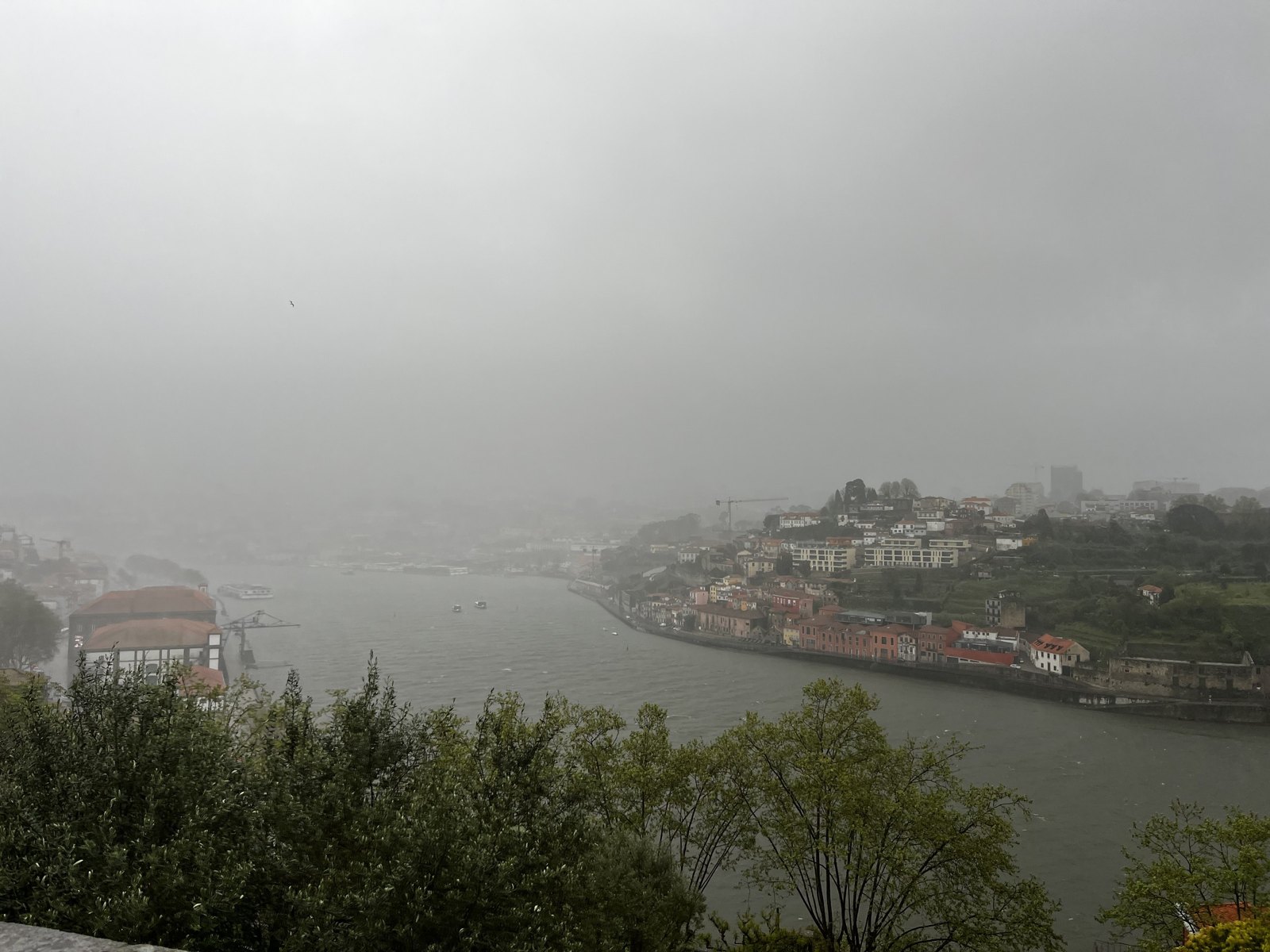
- Crystal Palace GardensSightsAbout 40 minutesThe garden we stopped at back in Porto: chickens, peacocks and a view of the Douro
- 🚕 Taxi back to the apartment
- Supermarket and cake shop near the apartmentShoppingA quiet evening in
- AdmissionFreeMatosinhos Beach, Afurada village and its communal laundry house, the Afurada museum (heritage interpretation center) and the Crystal Palace Gardens
- WeatherMarch 27: high of 15°C (59°F), low of 10°C (50°F), with rain that kept starting and stopping
- WhoTwo adults and one kid
- Where we sleptAn Airbnb apartment in Porto, night 3 of 5
In this post
Matosinhos Beach on a windy day
On our third day in Porto we wanted one more look at the sea our kid loves. After an early lunch near the apartment, we called a taxi and rode out to Praia de Matosinhos, the beach in Matosinhos, a port city just north of Porto. From there we hopped by taxi from the shore to a fishing village and then to a garden.
Matosinhos was once a port town with more than 50 sardine canneries, and two are said to still be running. Offshore, the Leixões breakwater breaks the waves and leaves a good surf break, so surfers are said to come more than 300 days a year.
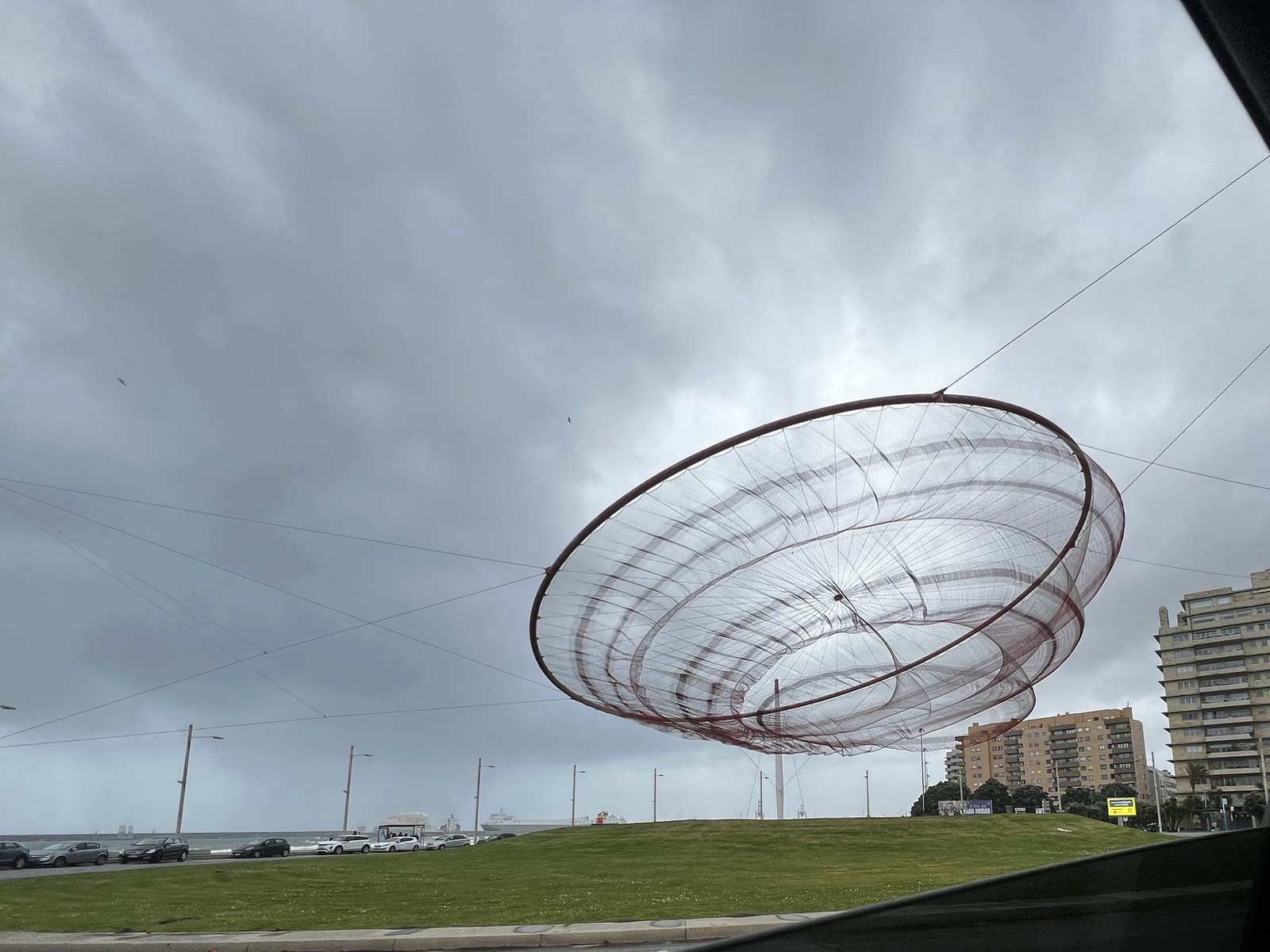
As we got close to the beach, a huge net-shaped sculpture hanging in the sky came into view. It is She Changes, made in 2005 by the American sculptor Janet Echelman and commissioned by Portugal’s Ministry of the Environment. It is meant to call up the memory of a place that was once a center of fishing and industry, and locals nickname it Anémona, Portuguese for sea anemone. Three steel poles hold the net above a roundabout on the coastal road. The moment we stepped out of the taxi, the wind was ferocious. Sand skated along the ground, and big waves were rolling in. A little later, kitesurfers began to gather, ready to ride the wind and waves.
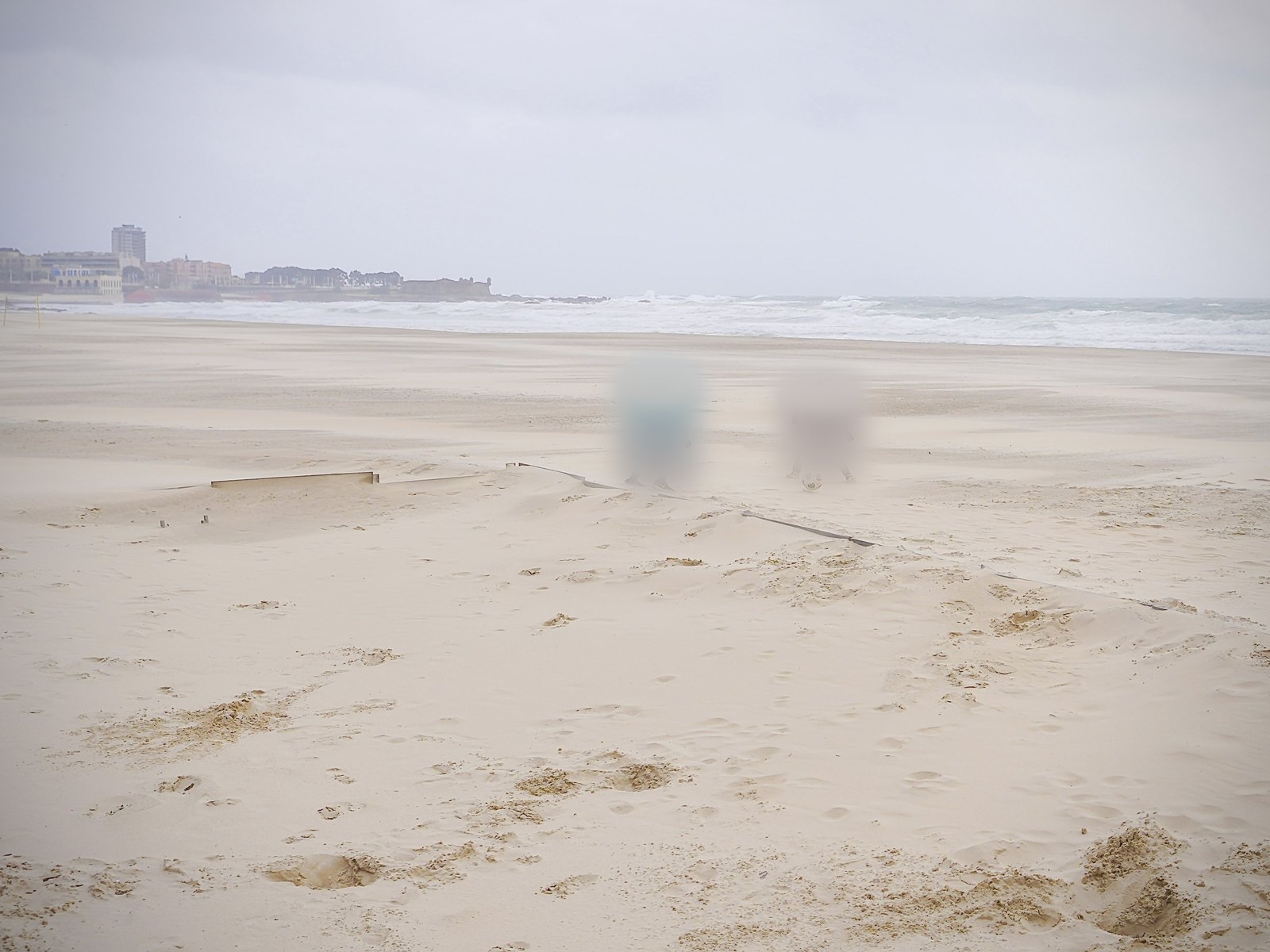
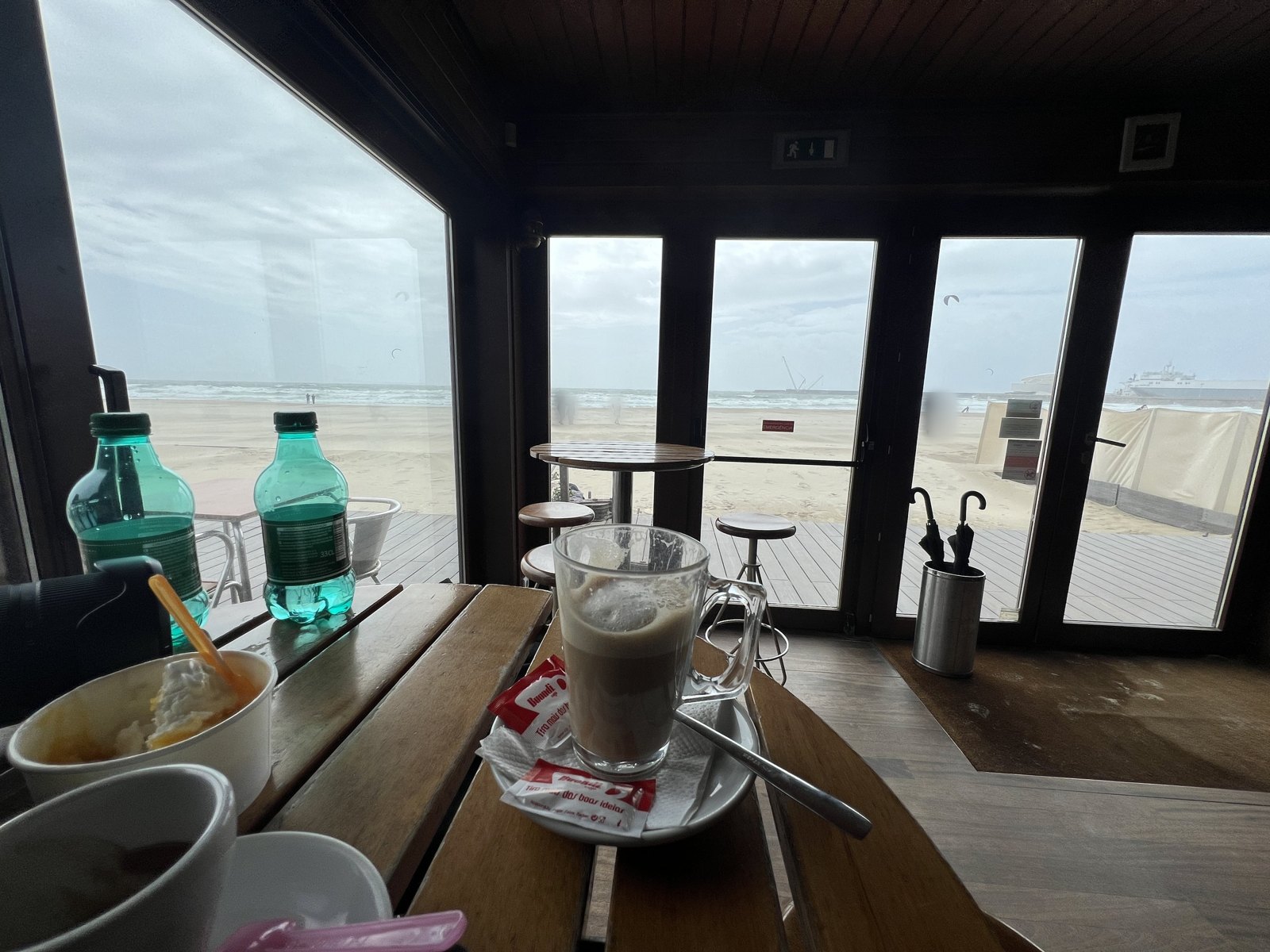
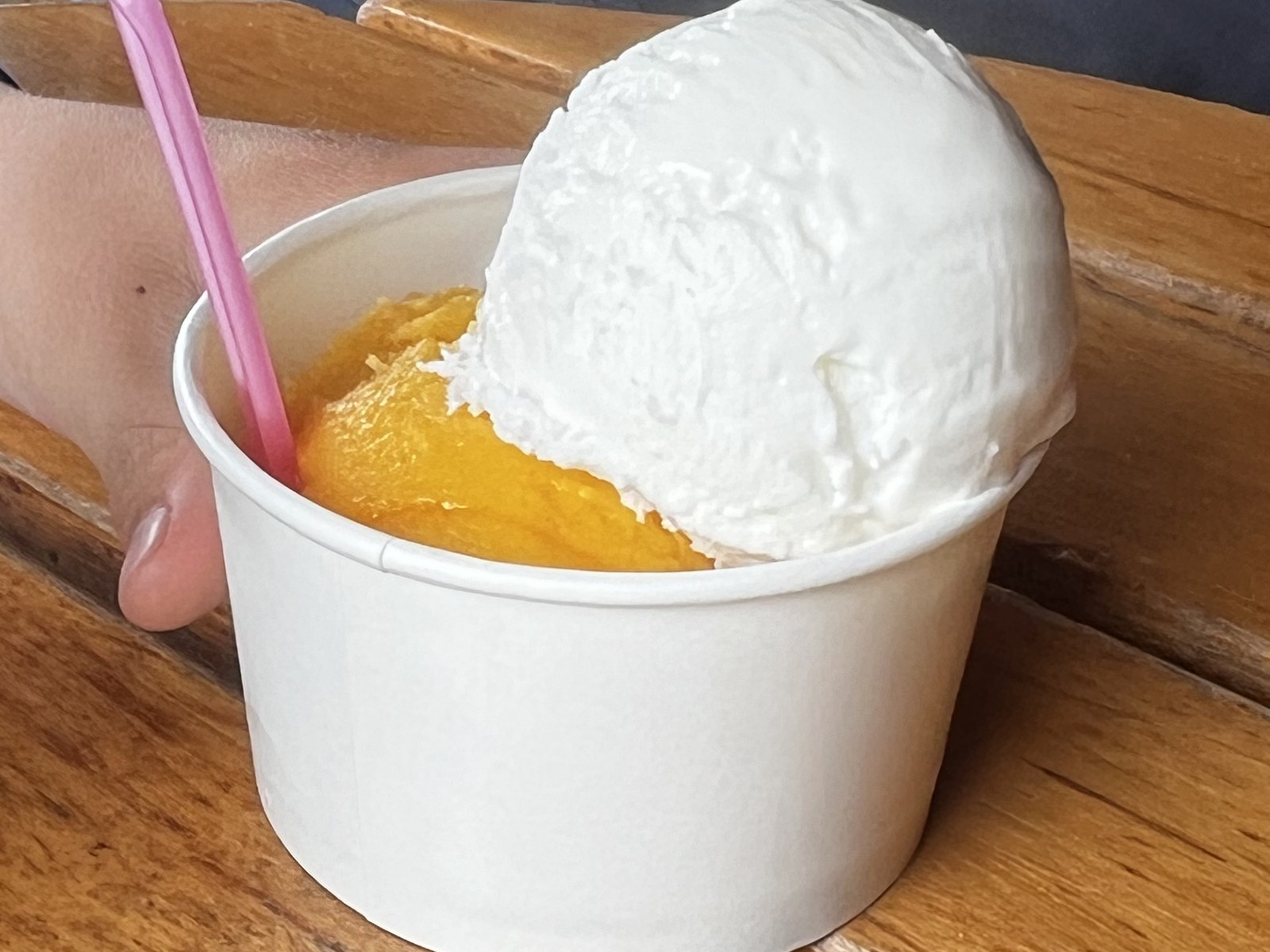
It was no day for sitting comfortably and gazing at the sea, so we took a window seat at Lais de Guia, a café with a view of the water, and had coffee and ice cream. Through the floor-to-ceiling glass we could see the waves and the sand.
Our kid got a little bored inside and went out to play in the sand. When I looked out a moment later, our kid was kicking a ball with children we had never met, blending in as if it were nothing. It was so nice to watch that I kept looking for a long time.
Getting there
The taxi from central Porto took about 25 minutes and cost $8.06 charged to our card (March 2024).
How long we stayed
From stepping out of the taxi to leaving, including the café and playing on the sand, we stayed about an hour.
Good to know
- Matosinhos was very windy when we went in late March. Bring a jacket that blocks the wind.
- A café with big windows faces the beach, so you can watch the sea from inside even when the wind is wild.
- Near the harbor there is also a street of restaurants grilling fish over charcoal.
Afurada, a fishing village with a museum and a communal laundry house
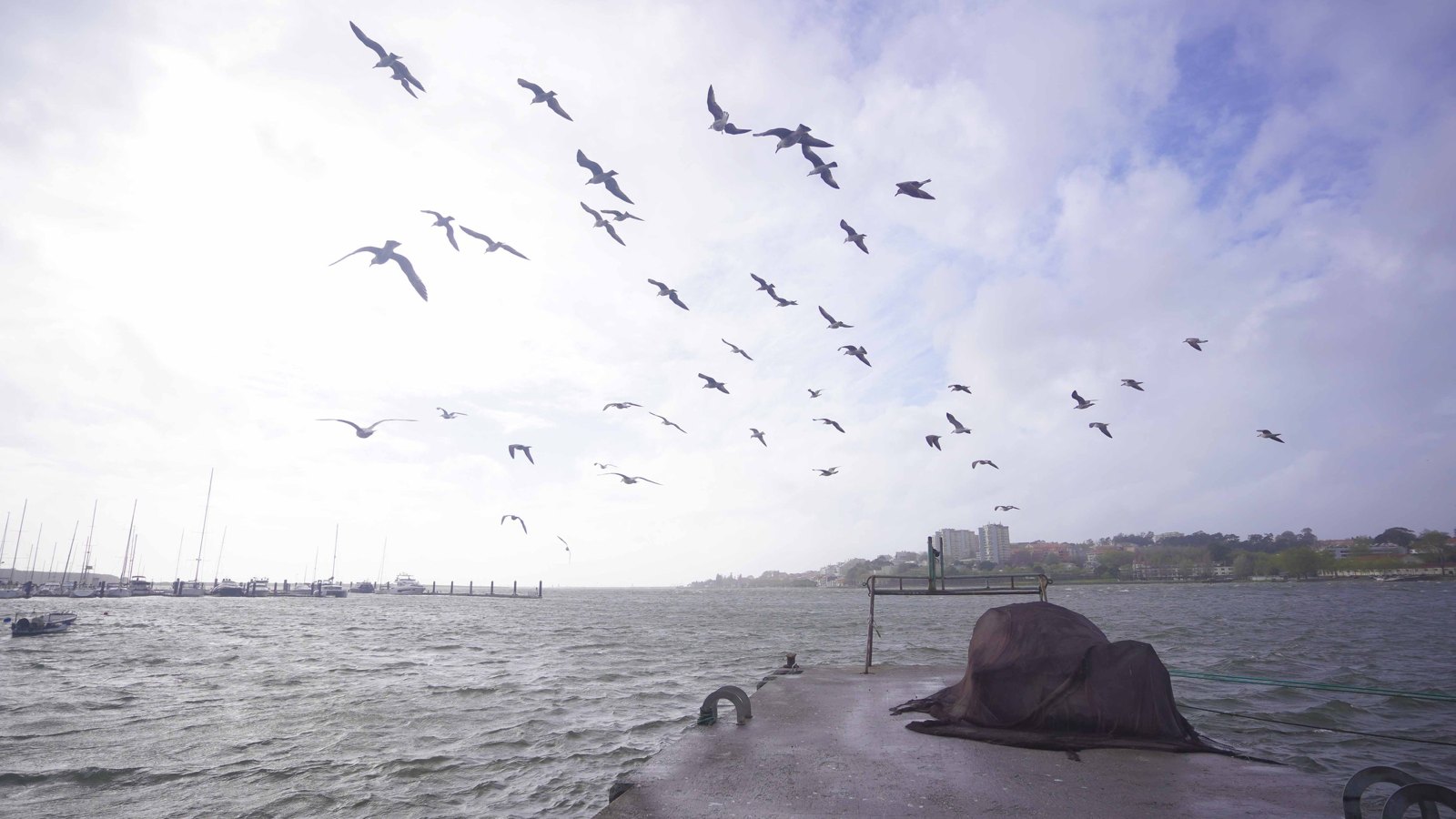
From the beach we took another taxi to Afurada, a small fishing village on the south side of the mouth of the Douro. It belongs to Gaia (Vila Nova de Gaia), across the river, and is still a traditional fishing community. Every year on June 29, the feast of its patron saint, St. Peter, the village holds a festival where people share grilled sardines and corn bread. The village was quiet, and we strolled slowly, watching the gulls and the waterfront.
In the village is the Afurada Heritage Interpretation Center (Centro Interpretativo do Património da Afurada). This small museum opened in 2013 and honors retired fishermen, the women who sold fish and the women who washed clothes. It has photos of fishermen, small boat models, fishing tools and traditional costumes. Our kid had always thought fishing meant a fishing rod, and learned here that nets were the main tool. The title of that day’s diary entry was “Fishing Museum.”
“I used to think that in the old days people only fished with a long fishing rod. … The nets had bricks at the bottom. After the bricks sink under the water, the fish inside can’t get out.”
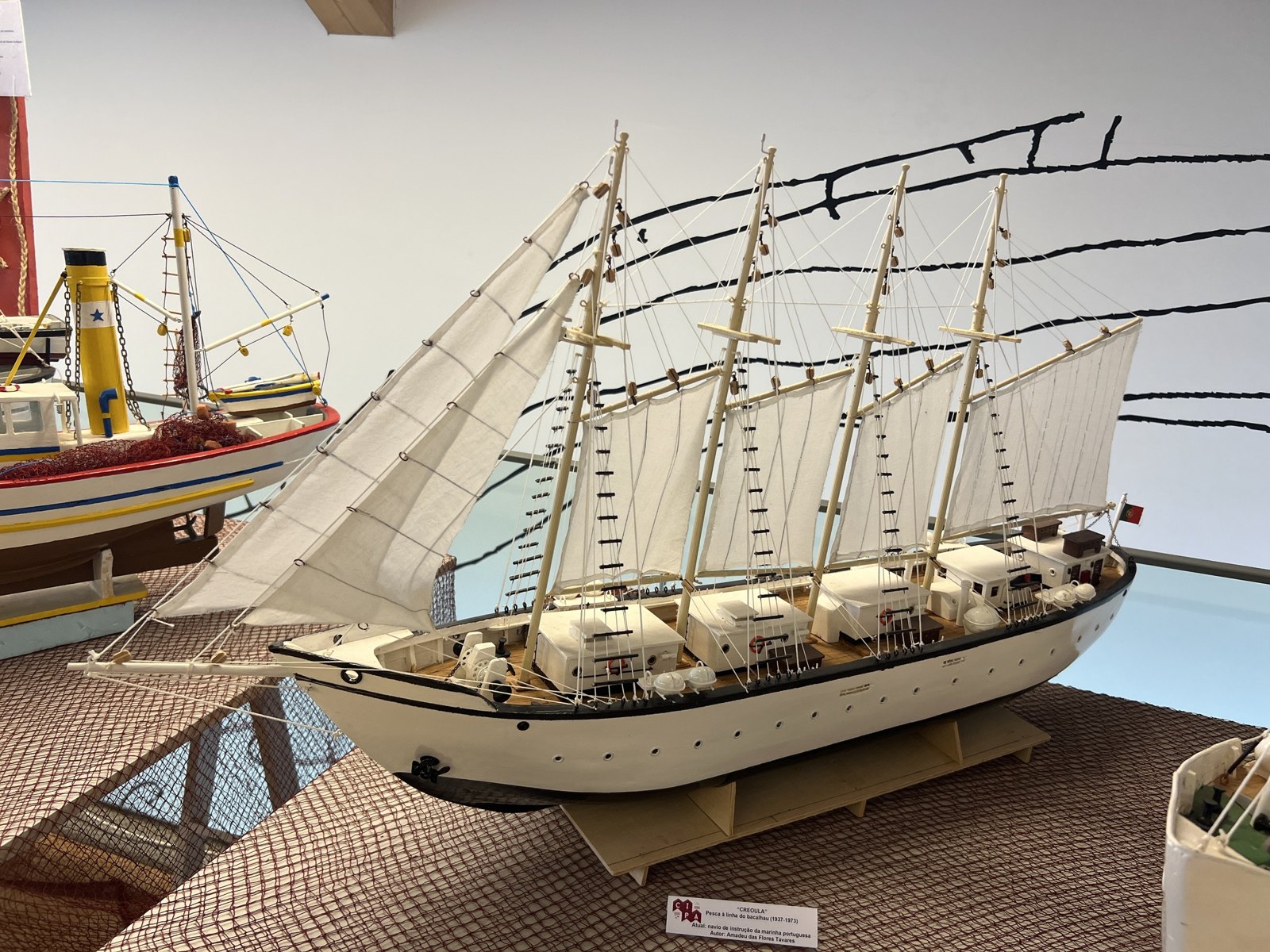
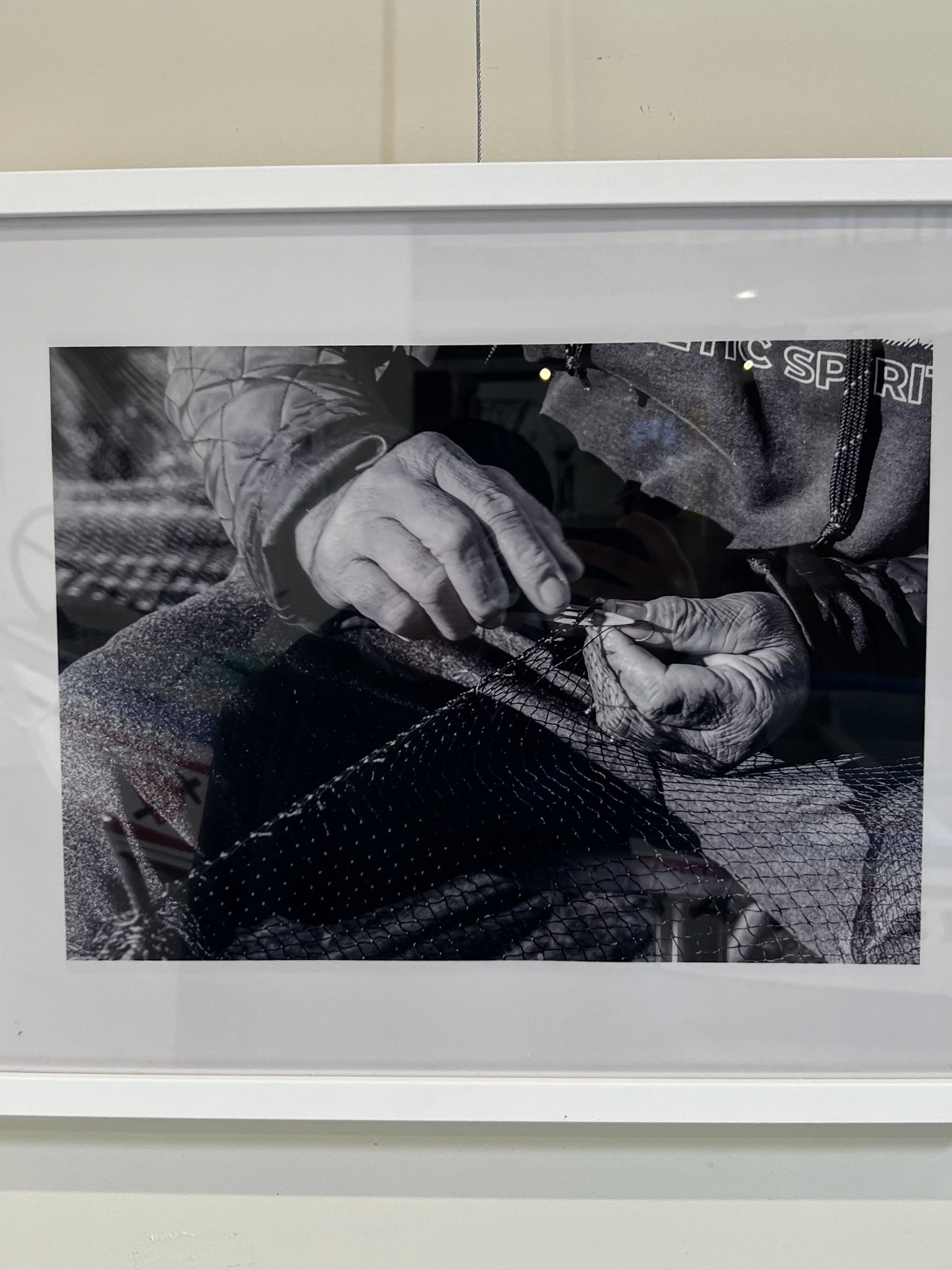
After the museum we walked a little along the quiet waterfront. Gulls filled the sky. At the water’s edge, our kid spotted a gull that had been washed in by the waves and looked to be in bad shape. Our kid felt terrible and tried every way to help. A local man saw this, came over and moved the gull to a better spot. Our kid was worried enough to suggest finding an animal rescue team.
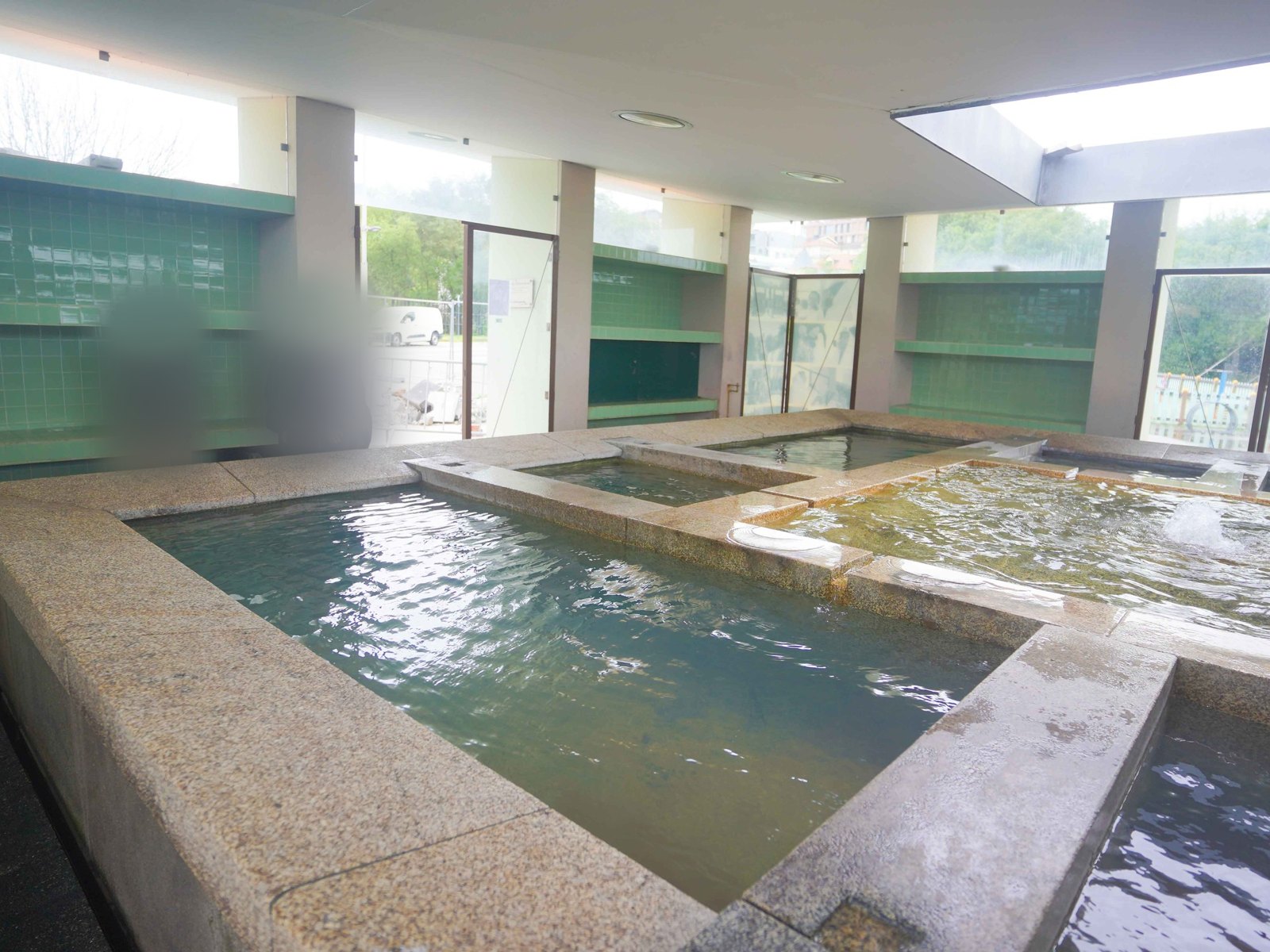
While we waited for a taxi, I noticed the communal laundry house (lavadouro). Villagers still use it. Wide stone washing basins stand in rows under a roof, and outside are racks for hanging laundry. Our kid didn’t know what it was and looked for fish in that water too. The rain kept starting and stopping, so nobody was washing or hanging anything out. It was a strange sight, different enough to be worth seeing once.
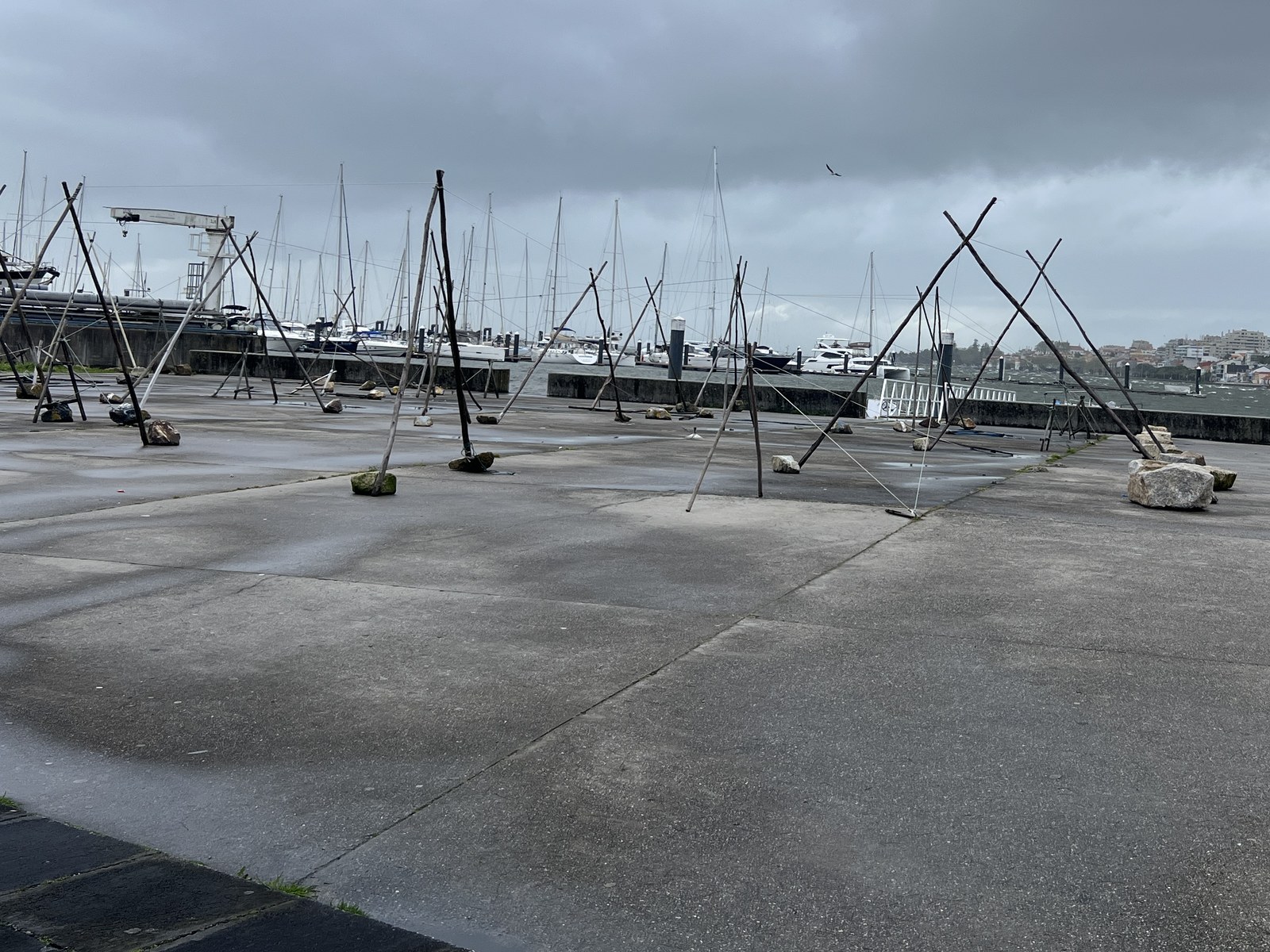
Late March in Porto: wind and showers
It rained on and off several times that day. A compact umbrella that can take the wind makes every taxi door a little less stressful.
Getting there
The taxi from Matosinhos took about 30 minutes, and from Afurada to the Crystal Palace Gardens about 15.
Hours
According to iPorto, the tourism portal for the Porto area, the Afurada Heritage Interpretation Center is open daily from 10:00 a.m. to 12:30 p.m. and from 1:30 to 6:00 p.m. (checked October 2026). Admission is free.
How long we stayed
The museum, the village waterfront and the laundry house together took about 45 minutes.
Good to know
- The museum is small. We looked around for about 20 minutes.
- It closes for lunch (12:30 to 1:30 p.m.), so aim for late morning or the afternoon.
The Crystal Palace Gardens: chickens and peacocks in the rain
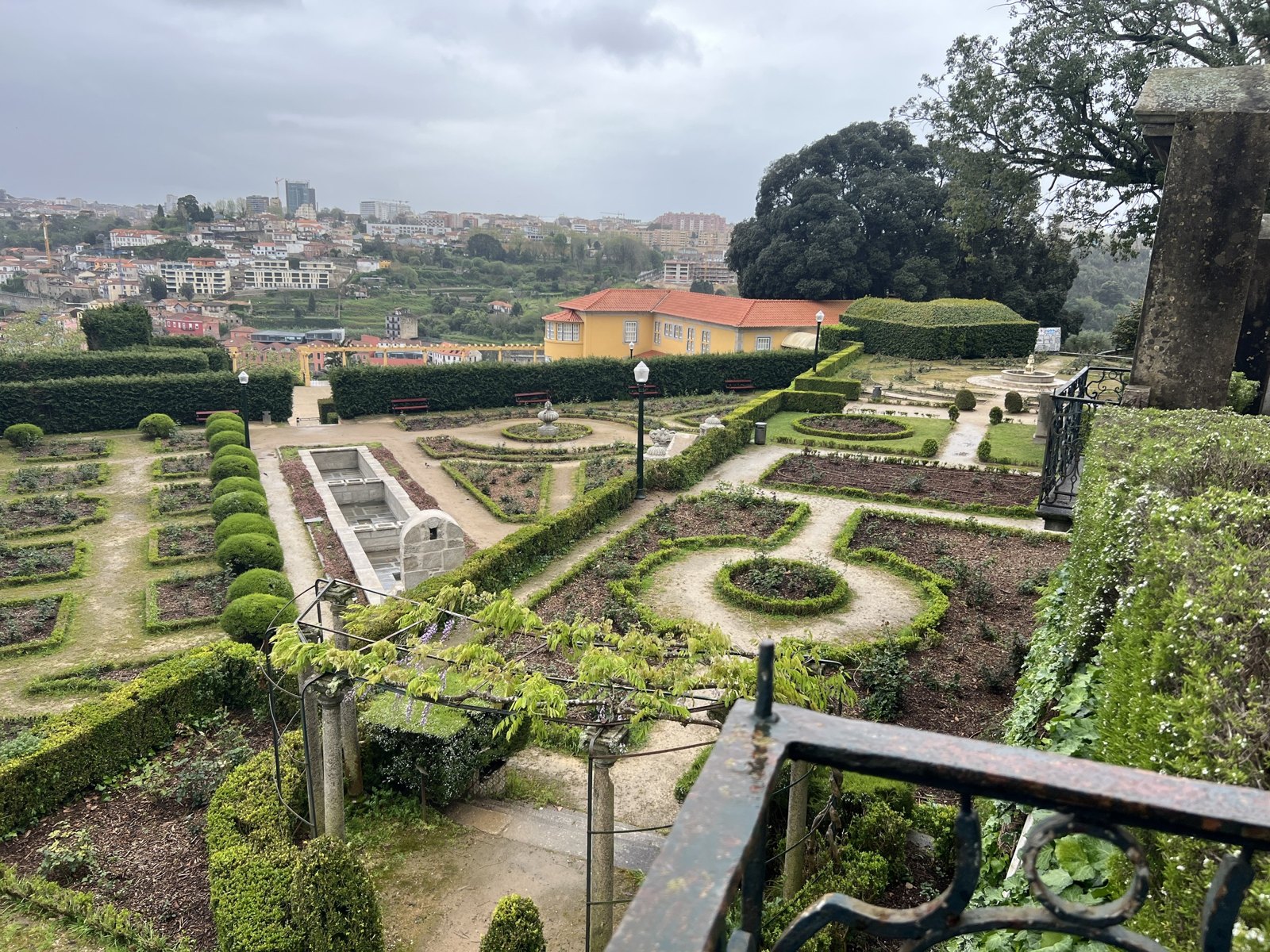
From Afurada we took another taxi back to the Crystal Palace Gardens (Jardins do Palácio de Cristal). The Iberian Peninsula’s first world’s fair opened here on September 18, 1865. The Crystal Palace (Palácio de Cristal), built of iron, glass and granite, was 150 m (492 ft) long and 72 m (236 ft) wide. The architect Thomas Dillen Jones designed it, and King Luís I opened the fair. The building was torn down in 1951, and a domed pavilion took its place, which since 1991 has carried the name of the marathon runner Rosa Mota. Today about 8 hectares (20 acres) of gardens remain on a hill above the Douro. The weather changed several times during the 15-minute-plus taxi ride, and by the time we reached the gardens it was raining hard.
There were a lot of chickens in the gardens, in every kind and color. Our kid, who loves chickens, was thrilled. Portuguese souvenir shops are full of the Rooster of Barcelos (Galo de Barcelos), and it comes with a legend. A pilgrim on his way to Galicia is wrongly sentenced to hang, but the roast rooster on the judge’s table stands up and crows, and the pilgrim goes free. It stands for justice and faith, and in the 1930s, through folk exhibitions and promotion by the government of the day, it became a national symbol. Peacocks wander around freely too, and we saw a white one.
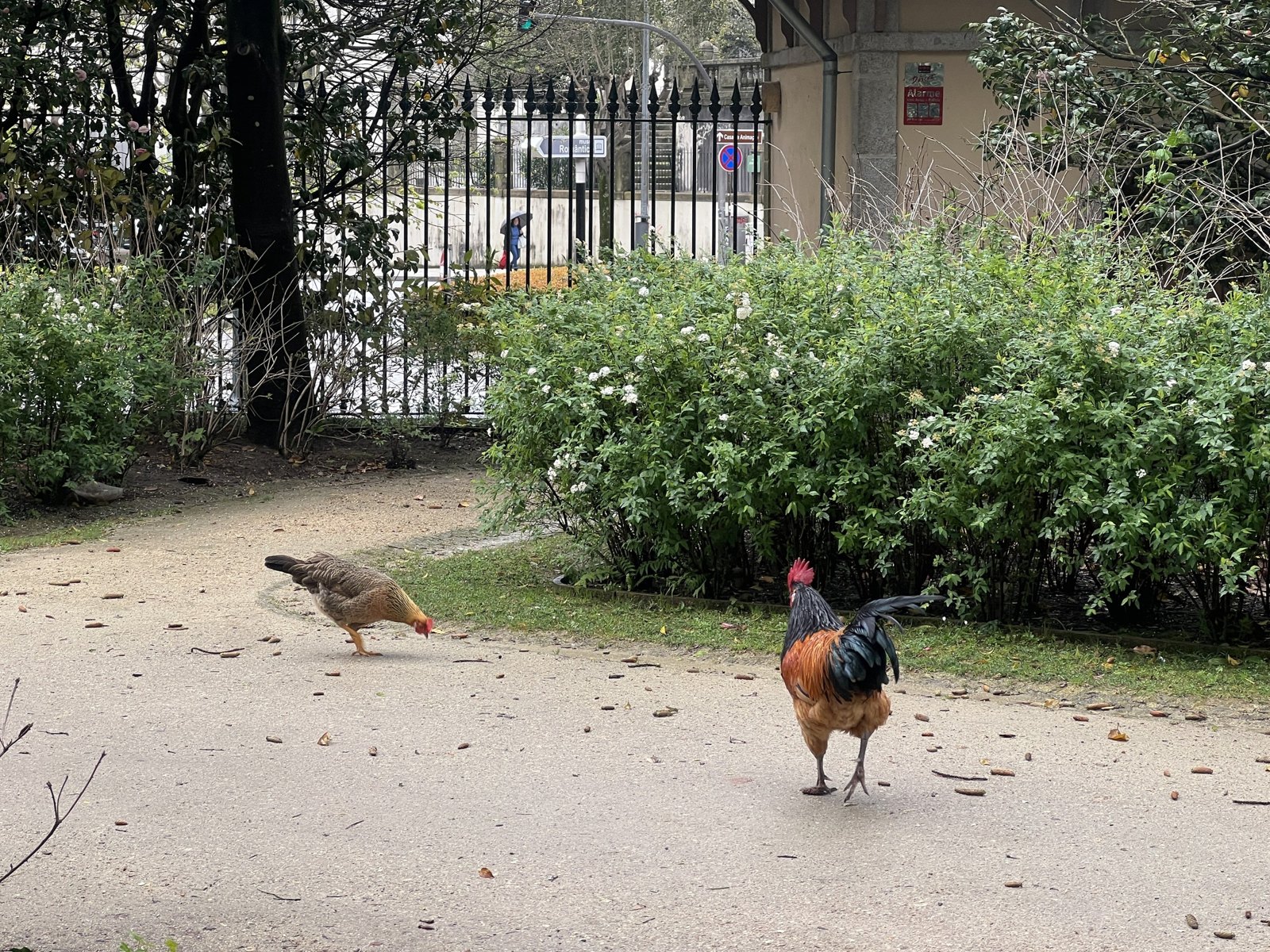
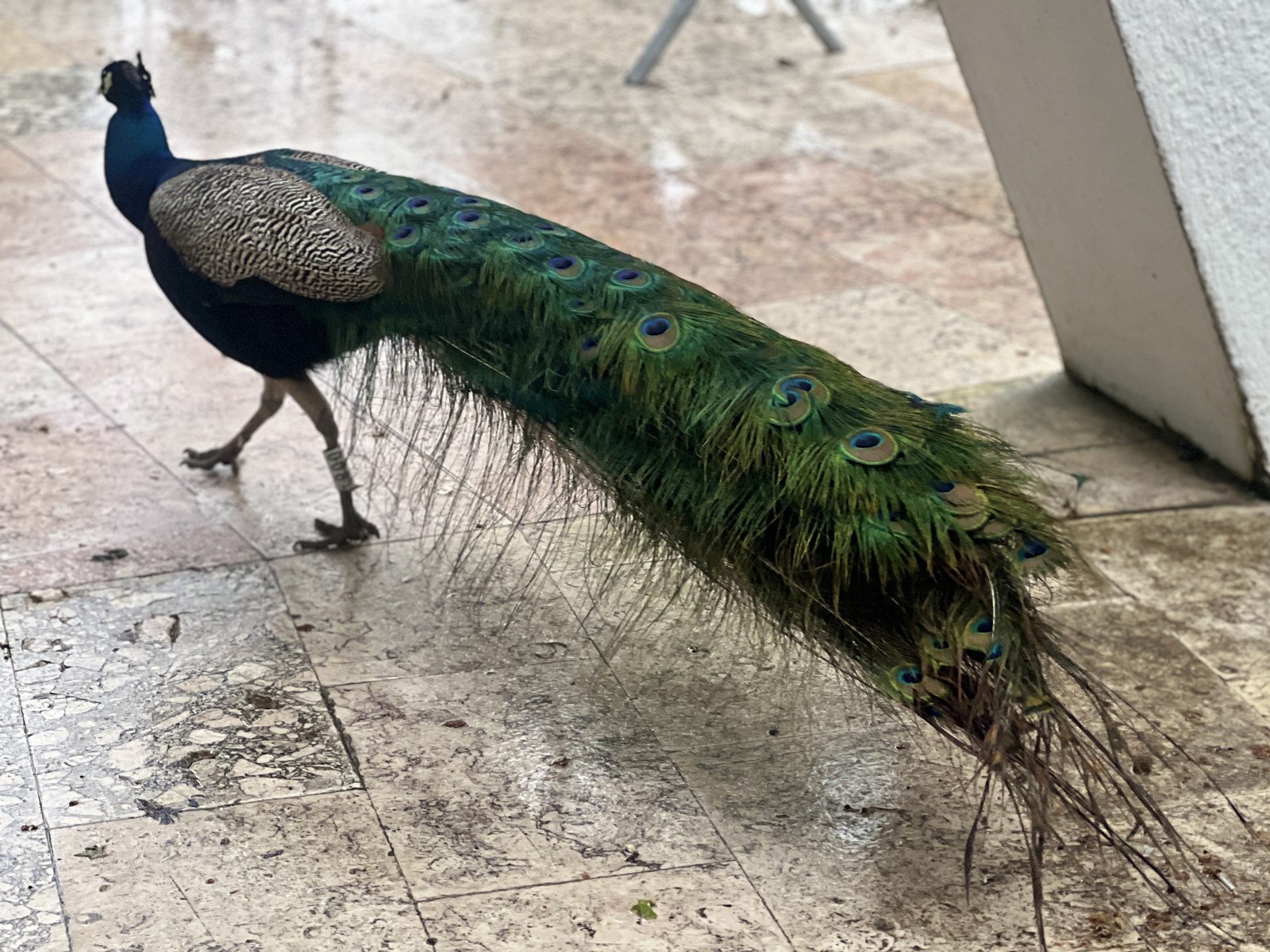
In the gardens, my wife showed our kid a trick we used to play as children: you move your arm across your chest so it looks like your heart is thumping. Our kid found it amazing. When we said your heart pounds like that when you see something wonderful, our kid started dancing and kept calling us over to see whenever there was a good view.
The rain kept coming, and the fog over the river grew thicker. We stood for a moment at a viewpoint overlooking the river, then turned back.
Admission and time
The Crystal Palace Gardens are free. We looked around for about 40 minutes. A viewpoint at the edge of the gardens looks down on the Douro.
An evening at the apartment
After stopping at a supermarket near the apartment, my wife found a local cake shop. The owner recommended a lime pie, and she said it was the best lime pie she had ever had. In the evening she and our kid played a game of acting out the Pokémon on the 40 Pokémon cards we had bought a few days earlier. The weather outside was lousy, but we had a relaxed evening indoors.
Before you go
Hours
| Place | Hours |
|---|---|
| Afurada Heritage Interpretation Center (fishing museum) | Daily 10:00 a.m. – 12:30 p.m. and 1:30 – 6:00 p.m. |
Checked October 2026, based on iPorto, the tourism portal for the Porto area
Costs for the day
| Place | What | Amount (USD) |
|---|---|---|
| Restaurant near the apartment | March 27, early lunch | 49.77 |
| Taxi | March 27, central Porto to Matosinhos Beach | 8.06 |
| Lais de Guia | March 27, café facing the sea in Matosinhos, coffee and ice cream | 8.68 |
| Supermarket near the apartment | March 27, groceries | 7.22 |
| Taxi | March 27, one ride after Matosinhos Beach | 12.41 |
Amounts charged to our card, tax included, March 2024 prices
TermsWords used in this post
A port city north of Porto. It is known for its sardine canneries, and today people come for the beach and the grilled-fish restaurants.
The city across the Douro River from Porto. Afurada belongs to Gaia too.
A communal laundry house that villagers share
The rooster figure you see in Portuguese souvenir shops. It comes from the legend of the roast rooster that saved a wrongly accused pilgrim.
Q&A at a glance
How do you get from Porto to Matosinhos Beach?
We called a taxi, and the ride took about 25 minutes. It cost $8.06 charged to our card in March 2024. We also took taxis from the beach to Afurada and from Afurada to the Crystal Palace Gardens, so in half a day we saw the sea, a fishing village and a garden.
When is the Afurada fishing museum open?
iPorto, the tourism portal for the Porto area, lists it as open daily from 10:00 a.m. to 12:30 p.m. and from 1:30 to 6:00 p.m. (checked October 2026). It closes at lunchtime, so time your visit. The museum is small, and we spent about 20 minutes inside.
Do the Crystal Palace Gardens charge admission?
Not when we went. There is a viewpoint with a view over the Douro.
What is the weather like in Porto in late March?
On March 27, the day we went, the high was 15°C (59°F) and the low 10°C (50°F), with rain starting and stopping all day. The coast was very windy, so bring a jacket and an umbrella that can take the wind.
Wrap-up
- Time spentAbout 1 hour in Matosinhos, about 45 minutes in Afurada and about 40 minutes in the gardens
- CostMatosinhos Beach, Afurada village and the Crystal Palace Gardens were free. What we ate and bought is in the cost table above (March 2024 prices)
- Good forFamilies who have spent a couple of days walking central Porto and want one day of sea, fishing village and gardens by taxi
It was a day of wind and showers. Still, the sandy beach where our kid kicked a ball with children we had just met, the local man who came over to help when our kid worried about the gull, and the chickens and peacocks in the rain-soaked gardens filled the day.
Planning your Porto trip
Where to stay in Porto, by type
We spent five nights in an apartment. Even within Porto, the setup differs by type of stay.
Planning a trip to Portugal?
Compare flights and rental cars here, and pick up a guidebook to read before you go.
Sources checked 7
- iPorto, the tourism portal for the Porto area: Afurada Heritage Interpretation Center Hours and address (checked October 2026)
- Time Out Porto, Afurada Heritage Interpretation Center Free admission, year opened (checked October 2026)
- Portugal Visitor, Interpretive Heritage Center of Afurada Free admission, layout of the exhibits (checked October 2026)
- Crystal Palace Gardens (Palácio de Cristal) overview: the 1865 world’s fair, the building’s size, its demolition and the pavilion (Wikipedia and Porto tourism information, checked October 2026)
- Rooster of Barcelos The legend of the rooster and how it became a symbol (checked October 2026)
- Janet Echelman, She Changes (Matosinhos, 2005): the artist’s official project page (checked October 2026)
- OGIMET weather station daily summaries: Porto (08545), March 2024
Not in the list? Search it yourself
Places to stay nearby, on a map
Affiliate link: if you book through this search, the blog earns a commission at no extra cost to you. Results open in a new tab. About affiliate links
Discover more from Elsewhere, Mostly
Subscribe and get new posts sent straight to your inbox.